Stay Connected While Traveling in Vietnam: SIM, eSIM & Other Options
- 1. Internet – Your Essential Travel Companion in Vietnam
- 2. Internet Options in Vietnam
- 3. Major Mobile Networks in Vietnam
- 4. Where to Buy a SIM Card in Vietnam
- 5. eSIM in Vietnam
- 6. Roaming with Your Home Carrier
- 7. Pocket Wi-Fi
- 8. Internet Speed & Coverage
- 9. Practical Tips for Using SIM & eSIM in Vietnam
- 10. FAQs
- 11. Conclusion
1. Internet – Your Essential Travel Companion in Vietnam
If it’s your first time in Vietnam, having a stable internet connection is absolutely essential. Whether it’s booking a Grab at Noi Bai Airport, finding your way around Hanoi’s Old Quarter, or exploring Da Nang, you’ll need to stay connected at all times. The solution most travelers recommend is to get a local SIM card or eSIM – it’s affordable, reliable, and easy to use.

Internet – Connecting the World - Source: Pinterest
2. Internet Options in Vietnam
Travelers generally have four ways to stay connected in Vietnam: a physical SIM card, an eSIM, international roaming, or a pocket Wi-Fi device. Here’s a quick comparison:
|
Option |
Estimated Cost |
Convenience |
Best For |
|
SIM card |
125,000 – 250,000 VND/month (5–10 USD) |
High – instant use |
Most travelers |
|
eSIM |
200,000 – 350,000 VND/month (8–15 USD) |
Very high – quick setup |
Short stays, late arrivals |
|
Roaming |
10–15 USD/day or more |
High – no setup |
Short business trips, receiving OTPs |
|
Pocket Wi-Fi |
120,000 – 150,000 VND/day + deposit |
Medium – carry device |
Groups/families |
3. Major Mobile Networks in Vietnam
Vietnam has three major providers: Viettel, Vinaphone, and Mobifone. Viettel offers the widest nationwide coverage, including rural areas like Ba Vi and the road to Halong Bay. Vinaphone performs strongly in big cities, while Mobifone is smaller but still works well in most tourist destinations.
4. Where to Buy a SIM Card in Vietnam
Buy a SIM at the airport:
Viettel, Vinaphone, and Mobifone counters are available at major airports like Hanoi (Noi Bai), Ho Chi Minh City (Tan Son Nhat), and Da Nang. Bring your passport to register. Airport SIMs are convenient and quick, but slightly more expensive (around 200,000–300,000 VND / 8–12 USD for 7–15GB per month).
Buy a SIM in the city
Official Viettel, Vinaphone, and Mobifone stores are common and offer more flexible plans at lower prices (150,000–250,000 VND / 5–10 USD for 7–15GB per month). Staff usually speak basic English and can help set up the SIM on your phone.
If you can’t get a SIM
Free Wi-Fi is widely available in hotels, cafes, restaurants, shopping malls, and some public areas. You can also use portable Wi-Fi or share data from a local SIM. Apps like Grab and Google Maps work well on Wi-Fi, so you won’t be completely offline.
5. eSIM in Vietnam
Before your trip, you can purchase an eSIM from providers like Airalo, Holafly, or Nomad. Setup takes just minutes, and you can keep your international number active. The downside: eSIMs are usually more expensive and data-only, with no local phone number. They’re ideal for short visits or late arrivals when SIM stores may be closed (in Hanoi, most shops close around 9 PM).
6. Roaming with Your Home Carrier
Roaming lets you use your home SIM while “borrowing” a Vietnamese network. It’s convenient with no setup required, but the cost is very high – often 10–15 USD per day. This option makes sense only for short business trips or if you need to receive international OTPs.
7. Pocket Wi-Fi
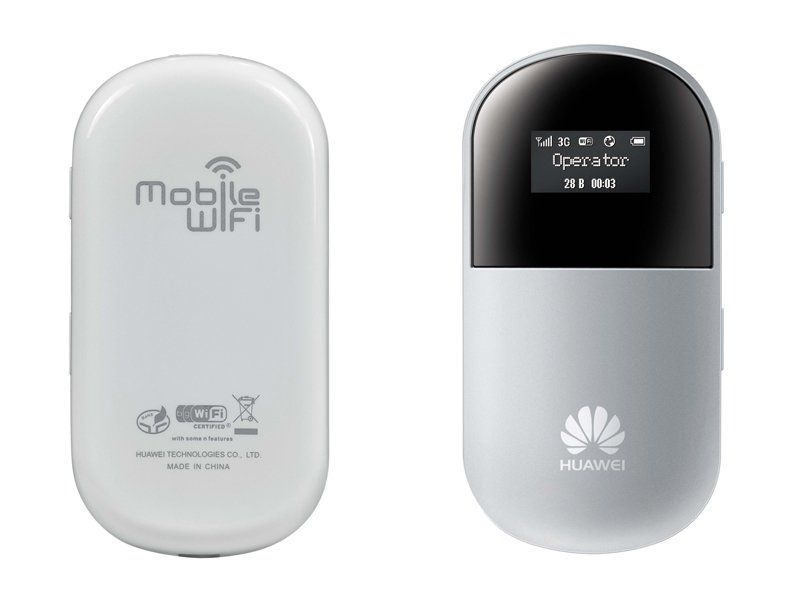
Pocket Wi-Fi – A Highly Useful Device - Source: Pinterest
For groups, Pocket Wi-Fi can be a cost-effective option. Rental prices are around 120,000 – 150,000 VND/day plus a deposit, and devices are available at airports or through online services. The only drawback: you’ll need to carry and recharge the device at all times.
8. Internet Speed & Coverage
In major cities like Hanoi and Ho Chi Minh City, 4G speeds average 30–60 Mbps – enough for Grab rides, YouTube, or Zoom calls. In mountainous or rural areas, speeds slow down but remain good for messaging and maps. 5G is now available in large cities, perfect for streaming or heavy downloads. Wi-Fi is common in cafés and hotels, making remote work easy. For banking or streaming services abroad, using a VPN ensures stable and secure access.
9. Practical Tips for Using SIM & eSIM in Vietnam
- Make sure your phone is unlocked before traveling.
- On newer iPhones, using both an eSIM and physical SIM is very convenient.
- Always buy SIMs from official stores, not street vendors.
- Download provider apps like My Viettel or My VNPT to check balances and top up easily.
10. FAQs
- Is a passport required to purchase a SIM card in Vietnam? - Yes.
- Will WhatsApp keep my original number? - Yes.
- Is 5G available in Halong Bay? - Mostly 4G; 5G is limited to big cities.
- Best SIM for long stays (1-3 months)? - Viettel offers 90–120GB/month packages.
- Is it easy to top up data? - Yes, via scratch cards or online apps.

Buying a SIM at an Official Store - Source: Vinaphone.com.vn
11. Conclusion
At just 5–10 USD per month, getting a local SIM or eSIM is the most practical choice for travelers in Vietnam. If you land at Noi Bai, grab one at the Viettel or Vinaphone counter for instant internet. To save money, head into the city – areas like Hoan Kiem or Cau Giay in Hanoi have official stores with more affordable plans.
Wishing you a smooth journey and unforgettable experiences in Vietnam!