Halong Bay Travel Guide for US Travelers + Cruise Tips
Halong Bay, a UNESCO natural wonder in northern Vietnam, has long lived in the imagination of travelers worldwide as a seascape where stone and water seem to speak in their own quiet language, of descending dragons, floating villages shaped by the tides, and thousands of limestone islands rising like fragments of time. It is the kind of place that naturally invites an unhurried journey, one that allows visitors to drift through its still waters and understand why it remains among Asia’s most memorable experiences. And when that journey takes the form of an overnight cruise, questions about itineraries, onboard styles, and how the experience compares with cruise traditions elsewhere inevitably arise. Having a clear sense of these nuances before setting sail often makes the voyage not only smoother, but also more attuned to the character of the bay itself.
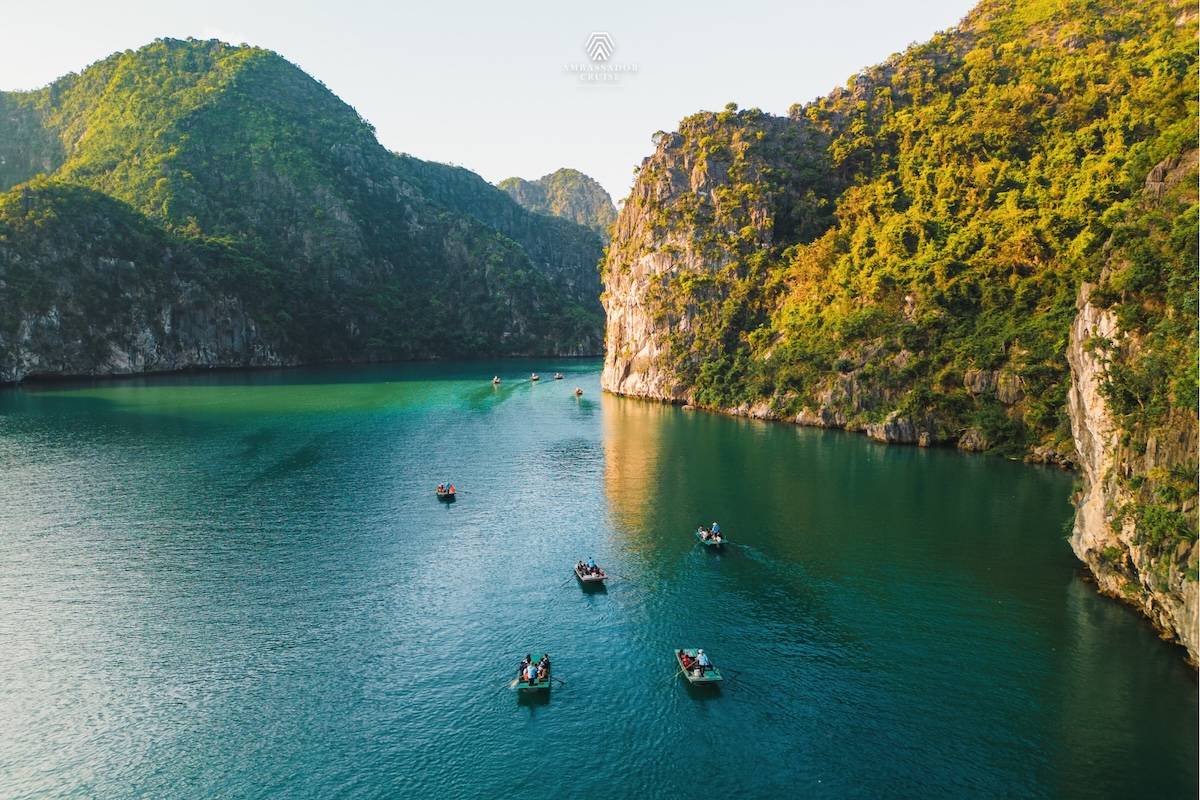
A quiet moment on the water in Halong Bay (Photo: Ambassador Cruise Halong)
1. Getting from US to Halong Bay
Traveling from the United States to Halong Bay typically begins with flights departing from cities such as Los Angeles, San Francisco, Seattle, New York, or Houston, connecting through major Asian hubs like Tokyo, Seoul, Taipei, Hong Kong, or Singapore before arriving in Hanoi. Total travel time usually ranges from 18 to 24 hours, depending on layover lengths.
From Hanoi, reaching Halong is straightforward: a private car along the modern highway takes about 2.5 hours, shuttle buses take around 3 hours, and a seaplane offers a 45-minute aerial route when weather permits. On clear days, the low-altitude pass over Halong’s limestone formations feels almost like viewing a living geological map; however, schedules can shift due to wind or limited visibility. At the same time, some travelers reach Halong via international cruise ships, sailing from hubs such as Hong Kong, Singapore, or Taiwan, longer voyages that bring passengers directly into or near the bay, allowing them to experience the region as part of a broader maritime journey. Each option has its own rhythm: seaplanes demand alignment with daytime operations, while international cruises follow fixed seasonal port calls, giving visitors distinctly different yet equally memorable ways of arriving at this world-renowned seascape.
2. Visa & Entry Requirements
U.S. citizens need both a valid passport and a visa to enter Vietnam. Your passport must be valid for at least 6 months beyond your stay and contain at least 1 blank visa page. Travellers who arrive without the correct documents will be denied entry, and the U.S. Mission cannot intervene. Dual nationals must enter and exit on the same passport and should confirm requirements with the Vietnamese Embassy.
Visa Options
You can apply through a Vietnamese Embassy/Consulate or use the official E-visa system, which offers single- and multiple-entry visas valid for up to 90 days. E-visas cannot be extended inside Vietnam, and immigration officers will only grant the exact stay you requested. Emergency passports may not be accepted for E-visa entry.
Important Checks Before You Travel
E-visas are usually processed in 3–5 business days. Before flying, make sure every detail on your E-visa matches your passport and that you arrive through the port of entry you selected. Even small errors can result in denial at the border.
Visa on Arrival
Visa on arrival is only possible if you already have a pre-approval letter issued by a Vietnamese travel agency or business. Do not travel without this letter.
Other Considerations
Overstays, lost visas or changes in travel purpose can cause delays and fines. If your passport is lost or stolen in Vietnam, you will need a replacement passport and a new visa before you can depart, which may take several days.
3. Best Time to Visit Halong Bay

October-April are the best months for Halong bay (Photo: Grand Pioneers Cruise)
Halong Bay is beautiful throughout the year, but the experience shifts noticeably with the seasons, and understanding these changes can help you choose the moment that best aligns with the kind of journey you want. The most popular months are October through April, when the weather is cooler, the skies clear, and the limestone formations often appear sharper against the calm water. This period is particularly appealing for travelers who prefer crisp, dry days and comfortable cruising conditions.
From May to September, the bay moves into its warmest stretch, with long daylight hours and a more humid atmosphere. The scenery takes on a softer, almost hazy quality, and the water is warm enough for swimming and kayaking. However, this season also comes with the possibility of tropical rains and the occasional storm, which can lead to itinerary adjustments. For some travelers, the trade-off is worthwhile, as this is when the bay feels quieter and less crowded, offering a more spacious experience on the water.
Ultimately, the “best time” depends on your travel style whether you value stable weather, opportunities for outdoor activities, or a slower, more contemplative version of the bay. Halong doesn't present a wrong season, only different moods, each shaping the journey in its own way.
4. Choosing the Right Cruise
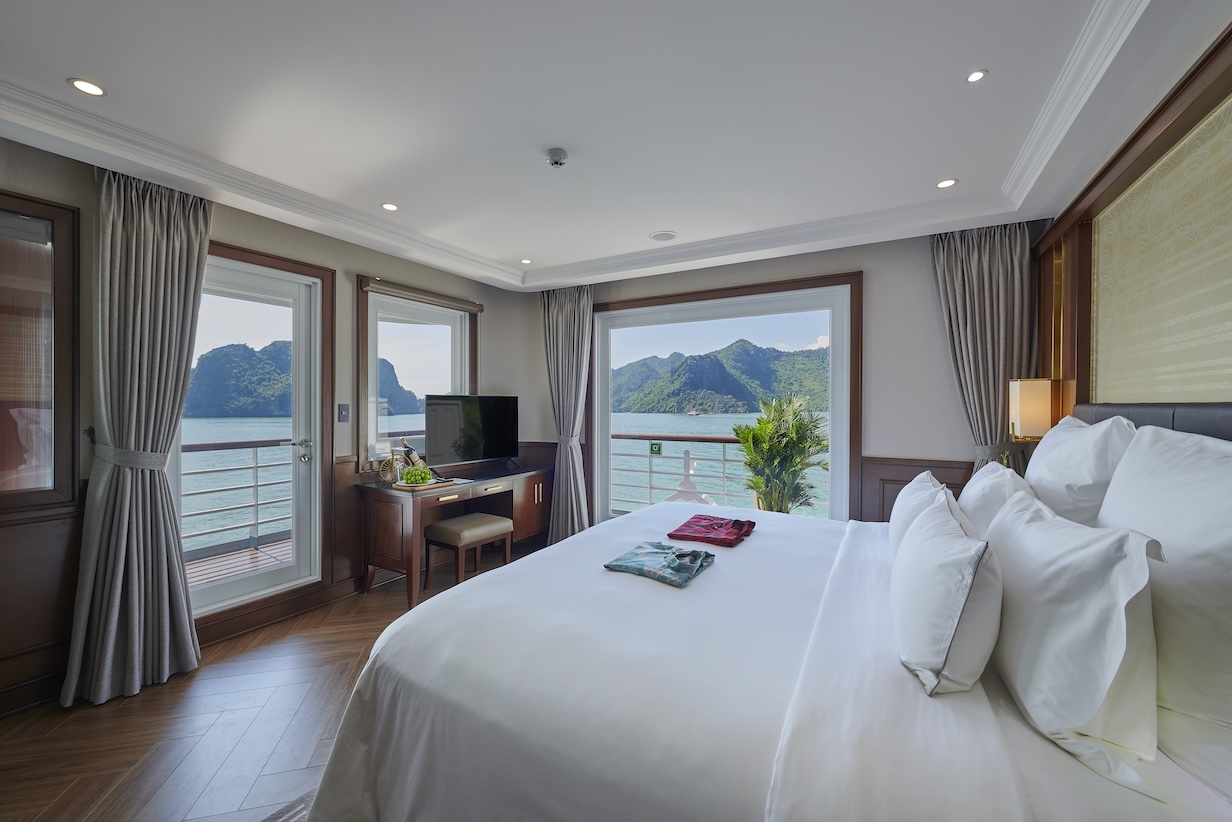
Luxury cruises offer extra comfort and professional services (Photo: Paradise Legacy Cruise)
Choosing a cruise in Halong Bay really comes down to how you want your time on the water to feel. The 2D1N itinerary is what most travelers start with — a neat little snapshot of the bay that fits easily into a wider Vietnam trip. You get the essentials: a cave or two, a climb to a viewpoint, a bit of kayaking, and that quiet moment in the evening when the boat settles between the limestone peaks. It’s just enough to understand why people talk about Halong the way they do, without taking too much time from the rest of your journey.
The 3D2N option shifts things into a different rhythm. With an extra day, the cruise can wander farther — out toward Bai Tu Long or Lan Ha Bay — where the water feels calmer and the scenery opens up without as many other boats around. There’s more space for things you might otherwise rush through: a longer paddle, a bike ride on a small island, or simply the feeling of not having to hurry back to the harbor the next morning. Many travelers say this is when Halong starts to feel less like a sightseeing stop and more like a place you genuinely settle into.
Comfort also plays its part. Luxury cruises appeal to those who want a smooth, comfortable journey — spacious rooms, good food, quiet corners to sit and watch the water, and an easy transfer from Hanoi. On the other hand, mid-range and budget cruises offer straightforward, good-value experiences that work well for backpackers, students, and families who prefer to keep things simple while still enjoying the landscape.
In the end, there isn’t a “best” choice, just the version of Halong that matches the pace and style you enjoy. Once you know what that looks like, the decision becomes surprisingly easy.
5. What to Expect Onboard
Life onboard a Halong Bay cruise unfolds at a relaxed, steady pace, balancing comfort with gentle exploration. Most cabins come with en-suite bathrooms and air conditioning, and many offer bay-facing windows or balconies where the limestone peaks drift past as the boat moves through the water. Meals typically blend Vietnamese seafood with familiar Western-friendly options, so whether you enjoy trying local flavors or prefer something simple after a long travel day, you’ll find a good middle ground.
Daily activities are spaced out comfortably: kayaking into sheltered coves, gliding on bamboo boats, visiting caves, or joining a casual cooking class on deck. In the evening, some travelers try their hand at squid fishing, while others prefer settling into a quiet corner to watch the sky darken over the bay.
On luxury vessels, the onboard experience expands with extras like a bar, spa services, and broad sundecks designed for slow, breezy afternoons. No matter which type of cruise you choose, the rhythm remains the same — a thoughtful blend of discovery and downtime, giving you room to enjoy the landscape while letting the journey unfold at its own gentle pace.
6. Practical Tips

Travel insurance is recommended during the trip in Vietnam (Photo: Indochine Cruise)
For visitors coming from the United States, a few small preparations can make your time in Halong Bay smoother and more comfortable. Vietnam uses the Vietnamese dong (VND) for everyday payments, so even though some agencies or hotels may accept USD, it’s better to carry a bit of local currency for small purchases or extras onboard. When it comes to electronics, Vietnam uses Type A, C, and D plugs, which means a universal adapter is one of those little things that ends up being surprisingly useful.
Cruises in the bay generally follow reliable international safety standards, but if you’re prone to motion sickness or simply unsure bringing a few tablets can make a big difference, especially on breezier days. Travel insurance is another good idea for U.S. travelers, as it typically covers unexpected changes such as cruise delays, cancellations, or medical needs that might arise during your stay.
Tipping isn’t mandatory in Vietnam, yet it’s a kind gesture that many travelers choose to offer. Around USD 5–10 per day for the crew is considered thoughtful and is warmly appreciated. These simple considerations won’t take long to arrange, but they help the whole experience unfold more easily, letting you focus on the scenery rather than the logistics.
7. Suggested Itinerary
A well-paced visit to Halong Bay usually begins the night before in Hanoi, giving you time to rest after your long-haul flight and start the journey without rushing. On the morning of departure, most travelers leave the city around mid-morning for the drive to the harbor, arriving just in time to board the cruise and settle into their cabin before the boat slips away from shore. The first afternoon is often a gentle introduction to the bay, perhaps a stop at a cave or an island viewpoint, followed by a quiet paddle through sheltered waters. As evening arrives, dinner on board is usually unhurried, with the limestone silhouettes fading into dusk outside your window.
The second day opens with early light over the bay, a moment many travelers describe as the highlight of the trip. Depending on your itinerary, you might spend the morning visiting a quieter corner of the bay or joining a short cultural or outdoor activity before the boat makes its way back toward the harbor. Most cruises return to shore by late morning or early afternoon, leaving you enough time to travel back to Hanoi or continue south toward your next destination.
For travelers who prefer a deeper experience, adding an extra night at sea changes the feel of the entire itinerary. With one more full day, the cruise can venture farther from the main routes, giving you the chance to explore less-visited coves, swim in calmer waters, or simply enjoy a slower rhythm that isn’t shaped by time constraints. It’s often this additional day that lets the landscape settle in, turning the trip from a quick introduction into something more immersive.
8. International Cruises from US to Halong Bay – What Travelers Should Know
For travelers hoping to reach Halong Bay by sea, it helps to understand how international cruise itineraries in Asia are planned. Halong is not a home port and ships do not sail directly from the United States to northern Vietnam; instead, the bay appears occasionally on longer multi-country journeys that begin at major Asian hubs such as Hong Kong, Singapore, Keelung (Taiwan), Shanghai, or Tokyo. These itineraries typically span one to several weeks, and the decision to include Halong changes from season to season depending on how each cruise line positions its fleet in Asia that year.
When a ship does call at Halong, it almost always docks at Halong International Cruise Port, a modern terminal built to receive large vessels. Most calls last 8–12 hours, which is enough time for passengers to join a shore excursion — often a short bay cruise on a smaller boat, a cave visit, or cultural tours in Quang Ninh. An overnight stay can happen on select long-haul or world cruise segments, but it is still considered uncommon. If your goal is to spend meaningful time on the bay itself — kayaking, swimming, or staying overnight on a local cruise — it’s worth noting that a same-day port call can feel quite limited.
Since these visits are not guaranteed every year, travelers interested in reaching Halong by sea should check the upcoming season’s cruise schedules rather than relying on older itineraries. Cruise lines update their Asia programs well in advance, and any stop in Halong will be listed clearly as a port of call. With this approach, travelers can easily see which long-distance routes include the bay and plan their journey around the ship’s short but worthwhile visit.
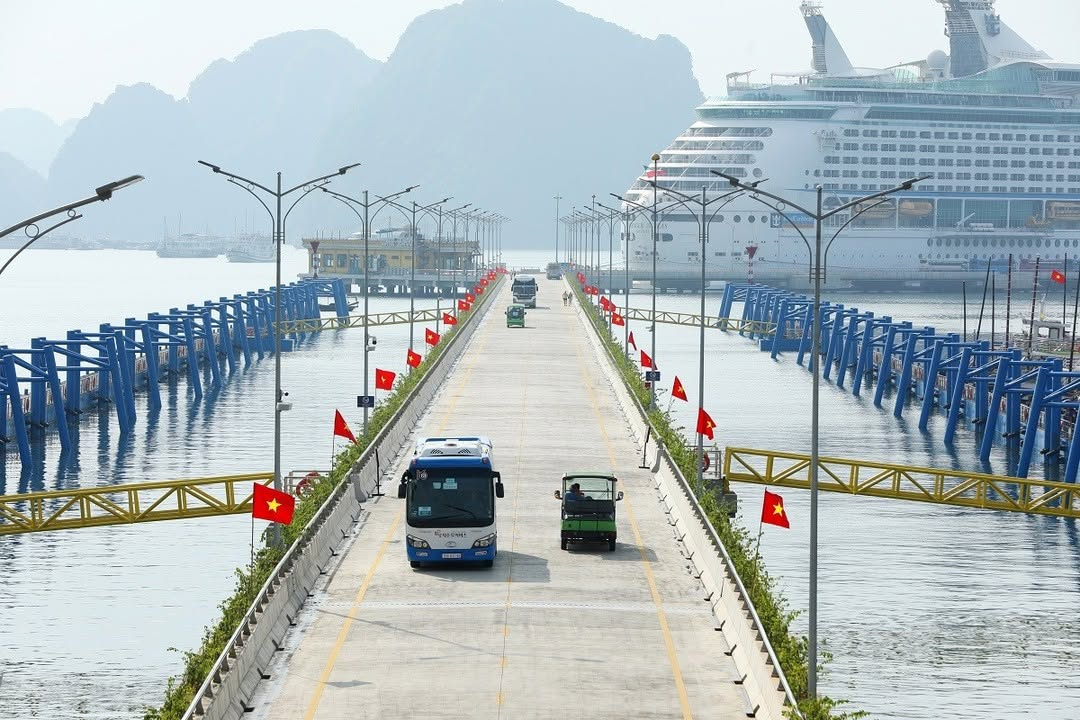
Ha Long International Port (Photo: @worldcruiseawards via Instagram)
9. Is a Halong Cruise Worth It?
For many travelers, a Halong Bay cruise is worth the time because it offers a clearer and more complete sense of the landscape than you can get from the shore. Being on the water lets you see how the limestone islands open up, how the bay shifts with the light, and it gives you enough time to take it in rather than just pass through. An overnight stay adds a quieter pace to the experience, with calm mornings and simple activities like kayaking or visiting small coves.
If you’re looking for a straightforward way to understand the bay beyond a quick photo stop, a cruise, whether short or slightly longer, tends to be a practical and rewarding choice.