The Definitive Halong Bay Handbook: Your Complete Essential Guide
- 1. Why Halong Bay Belongs on Your Bucket List
- 2. Timing Your Voyage: The Best Time to Visit Halong Bay
- 3. Navigating Your Journey: How to get to Halong Bay
- 4. Cruising in Halong Bay: Selecting Your Ideal Itinerary
- 5. Staying overnight in Halong Bay: Cruise vs. Hotel
- 6. Preparation: Your Essential Halong Checklist
- 7. Managing Expectations: The Honest Perspective
- 8. Conscious Voyaging: The Art of Responsible Travel
Halong Bay is more than a destination; it is a seamless dialogue between ancient Earth history and modern sophistication. Here, you have the rare opportunity to walk through millions of years of geological evolution in the morning, and retreat to a world-class luxury suite by afternoon—all set against the timeless backdrop of the sea and sky.
In this article, we will summarize all our 15 years of experience delivering thousands of trips to Halong Bay and show all you need to know about this magical world's wonder.
1. Why Halong Bay Belongs on Your Bucket List
A Living Gallery of Natural Wonders
It’s hard to describe the feeling of seeing Halong Bay with your own eyes for the first time. More than 1,600 large and small limestone islands emerge from the clear blue water, creating a fairy-tale scene. Each rock formation has unique shapes, like Hon Ga Choi (Fighting Cock Islet) or Hon Rua (Turtle Islet), making your journey even more interesting. The bay’s beauty changes throughout the day - it’s mystical in the early morning mist, vibrant under the midday sun, and sparkling at sunset.
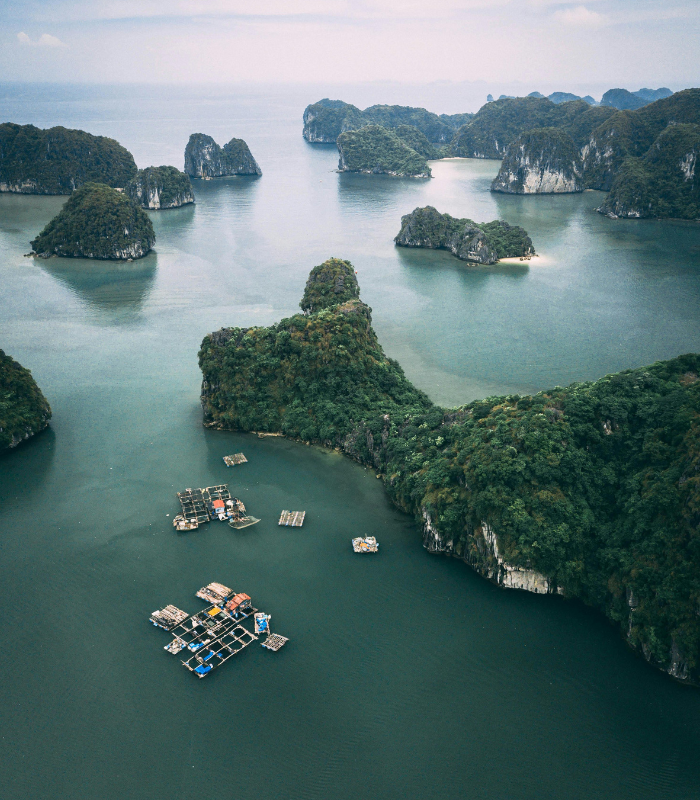
Halong Bay - where emerald waters meet limestone wonders. (Photo: Taryn Elliott)
An authentic cruise experience
In Halong, the cruise vessel is more than transportation; it is your private window into a romantic, cinematic world. For the "value-optimizer," a luxury cruise represents the perfect intersection of comfort and immersion. Picture yourself on a polished wooden deck, a glass of fine wine in hand, as the sun dips behind the karst peaks, painting the sky in shades of violet and gold. It is a moment of profound "slow living" that settles the mind and creates a memory far more valuable than the price of the ticket.
Curated Adventures for Every Spirit
- Halong Bay offers a spectrum of experiences, allowing you to be as active or as still as you desire:
- Subterranean Marvels: Step into the "Heavenly Palace" of Thien Cung Cave or the vast, echoing chambers of Sung Sot (Surprise) Cave, where stalactites shimmer like ancient chandeliers.
- Intimate Exploration: Take a kayak into the silent, narrow lagoons and hidden archways where larger ships cannot go, feeling the cool shadow of the limestone walls.
- Panoramic Heights: Hike the 400 steps of Titop Mountain for a 360-degree view that reveals the true scale of this UNESCO masterpiece.
- Onboard Rituals: Engage in the local rhythm with sunrise Tai Chi, traditional cooking classes, or the quiet patience of night squid fishing under the stars.
2. Timing Your Voyage: The Best Time to Visit Halong Bay
While Halong Bay is beautiful year-round, there are certain times considered ideal for your trip.
Spring (March – May): The Golden Window
Spring is often regarded as the most visually stunning season. With temperatures that are neither too humid nor too brisk, it provides the perfect climate for active exploration.
- The Experience: Expect crystal-clear horizons and emerald waters—ideal for photography and open-air lounging.
- The Trade-off: As the peak season for international travelers, expect higher demand. To maintain a sense of "slow living," we recommend booking premium cabins that offer private balconies to escape the busier sight-seeing hubs.
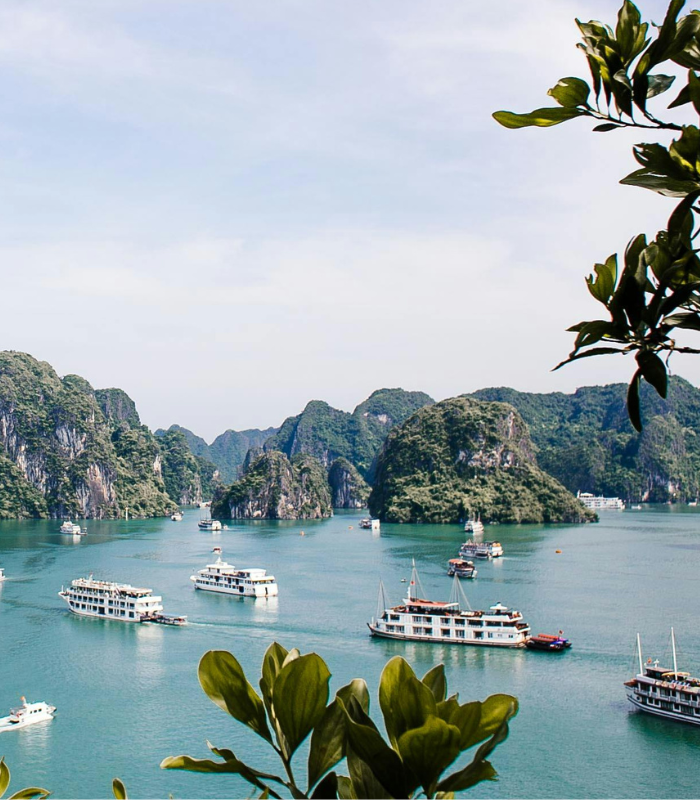
Cruising through the emerald waters of Halong Bay. (Photo: Rachel Claire)
Autumn (September – November): The Insider’s Secret
Many seasoned travelers and local experts consider autumn the "sweet spot" for visiting. The air is crisp and dry, the summer storms have passed, and the intense midday heat has softened.
- The Experience: You will find a more profound sense of peace as the crowds thin out. It is the perfect season for those who value quiet reflection and private space.
- The Value: Prices often become more competitive during this window, offering a high-end experience at a more accessible investment.
Summer & Winter: The Contrasting Extremes
- Summer (June – August): This is the season of vibrant energy. While it is hot and occasionally prone to tropical shifts, it is the premier time for water enthusiasts. The warm sea is perfect for extended kayaking and swimming.
- Winter (December – February): For those who appreciate a "mystical" aesthetic, winter transforms the bay into a monochrome masterpiece. A thick, ethereal fog often blankets the karsts, creating a hauntingly beautiful atmosphere. Expert Note: Pack layers, as the sea breeze can be quite sharp, and the mist—while poetic—can occasionally limit long-distance views.
3. Navigating Your Journey: How to get to Halong Bay
The journey to Halong Bay has been transformed in recent years, making the transition from the bustle of the city to the serenity of the sea smoother than ever. Below are the essentials of getting to and from Halong Bay to help you plan your trip.
Road Connection
- The Luxury Limousine: This is the most popular choice for discerning travelers. Utilizing the modern expressway, the trip from Hanoi now takes only 2.5 hours. These high-end vans offer spacious leather seating, high-speed Wi-Fi, and a professional level of service that ensures your vacation begins the moment you leave your hotel.
- Private Transfers: For those seeking total flexibility, a private car allows you to set your own schedule, providing a direct door-to-door experience between Hanoi and the cruise ports.
The Elevated Perspective: Seaplanes
- For a truly unforgettable arrival, a seaplane from Hanoi’s Noi Bai Airport is the ultimate choice.
- Duration: A swift 45-minute flight.
- The Experience: Beyond the time saved, you are treated to a breathtaking aerial panorama of the 2,000 limestone karsts. Landing on the emerald waters at Tuan Chau Marina is a cinematic experience that sets a profound tone for your entire trip.
Airport Access
If you are flying into Northern Vietnam specifically for the bay, you can bypass Hanoi entirely by utilizing nearby regional airports:
- Cat Bi International (Hai Phong): The closest hub, located just 45 to 60 minutes away via the Ha Long – Hai Phong expressway.
- Van Don International: An architecturally stunning and efficient airport located about 50 minutes from the main cruise harbors.
4. Cruising in Halong Bay: Selecting Your Ideal Itinerary
Choosing your itinerary is the most critical step in defining your journey. In 2026, the options have expanded to offer varying levels of immersion:
- The Day Cruise (The Snapshot): Ideal for those on a tight schedule. These 4 to 8-hour voyages capture the "greatest hits" of the bay, such as Ti Top Island and Sung Sot Cave. It is a high-efficiency choice that returns you to the mainland by sunset.
- The 2D1N Overnight Cruise (The Classic): The most popular choice for a reason. It offers a balanced rhythm of activity and rest. You’ll experience the "blue hour" at dusk and a serene sunrise on deck—moments that a day trip simply cannot provide.
- The 3D2N Extended Voyage (The Deep Dive): For the true traveler, this is the premier option. These itineraries often venture beyond the crowded center into the pristine waters of Lan Ha Bay or the rugged, silent beauty of Bai Tu Long Bay. It is the ultimate "slow living" experience, offering secluded lagoons and untouched floating villages.
- Expert Tip: Whether you choose a budget, mid-range, or 5-star luxury vessel, look for cruises that prioritize sustainable tourism and offer private balconies to maximize your personal connection with the landscape.
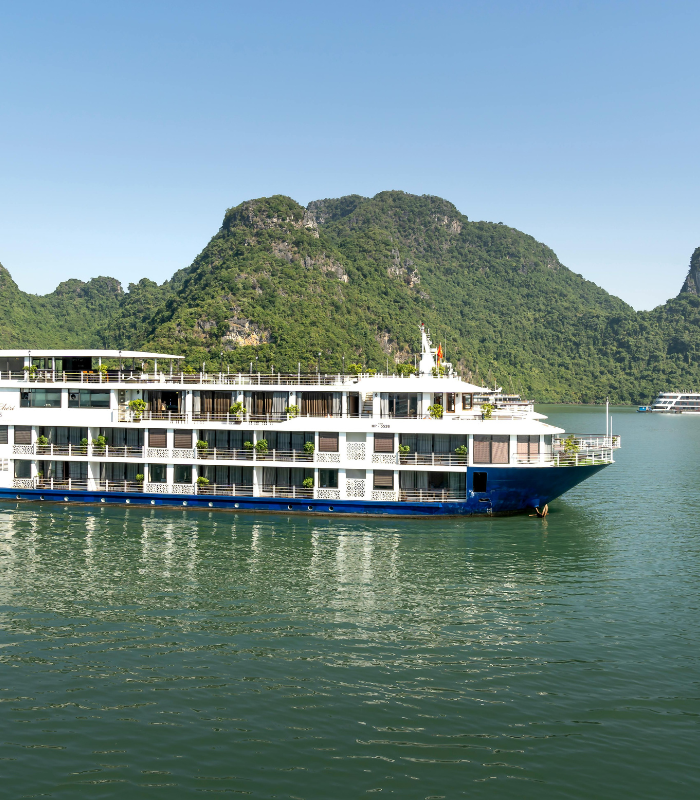
Sail in style luxury cruising in Halong Bay. (Photo: Quang Nguyen Vinh)
5. Staying overnight in Halong Bay: Cruise vs. Hotel
Your choice of accommodation should align with how you want to experience the "soul" of the region.
- A Private Cabin on the Water: This is the heart of the Halong experience. Staying on a ship means the bay is your constant companion. There is nothing quite like waking up at 6:00 a.m. to see the limestone karsts emerge from the morning mist like a traditional ink painting. It is an immersive, 24/7 sensory experience that turns a simple stay into a lifelong memory.
- A Luxury Hotel in Halong City (Bãi Cháy or Hòn Gai): If you prefer to keep your "land legs" or want to combine the sea with local exploration, staying in the city is a strategic move.
6. Preparation: Your Essential Halong Checklist
To ensure your journey is as seamless as the limestone horizon, we recommend packing with both comfort and utility in mind:
- Attire & Wellness: Pack light, breathable fabrics and versatile swimwear. A wide-brimmed hat and high-SPF sunscreen are non-negotiable for the reflective glare of the bay. Expert Tip: If you are sensitive to the gentle rhythm of the sea, bringing motion sickness medication will ensure you stay focused on the scenery rather than the movement.
- Documentation: Ensure you have your physical passport and a valid visa (for international guests) on hand. These are required for manifest registration at the cruise ports.
- Currency & Connectivity: While most modern vessels accept international credit cards, carrying a small amount of Vietnamese Dong (VND) is essential for authentic interactions, such as purchasing local crafts in floating villages or offering a gesture of thanks (tipping) to your dedicated onboard crew.
7. Managing Expectations: The Honest Perspective
Every destination has its nuances. Based on our decade and a half in the bay, here are the realities to keep in mind so you can plan a more rewarding trip:
- The Popularity of Icons: World-famous landmarks like Ti Top Island and Sung Sot Cave are breathtaking, but they can become densely crowded during peak hours. The Solution: If you value "slow living" and solitude, consider a 3-day itinerary that ventures into the quieter, more pristine waters of Lan Ha Bay.
- Nature’s Unpredictability: Halong’s beauty is tied to its climate. Sudden mist or seasonal storms can occasionally lead to port closures for safety. The Solution: Always book with a reputable agency that offers clear cancellation and refund policies to protect your travel investment.
- The Evening Rhythm: Unlike the high-energy streets of Hanoi or Ho Chi Minh City, Halong City and the bay itself embrace a much calmer nocturnal pace. The Reality: Evening entertainment is centered around the cruise experience—think quiet cocktails under the stars or night squid fishing. If you are looking for vibrant nightlife, it is best to save that energy for your time in the capital.
- A Focused Destination: Halong Bay is a specialist destination. Its primary "activity" is the appreciation of nature and geological history. For those seeking high-octane city excitement or a wide variety of land-based attractions, the bay’s quiet, contemplative atmosphere may feel a bit too still.

Discover Halong Bay from a new perspective by kayak. (Photo: Rachel Claire)
8. Conscious Voyaging: The Art of Responsible Travel
A journey to Halong Bay is an invitation to slow down and embrace a more intentional way of exploring. As a traveler, your presence can be a force for preservation, ensuring that this geological masterpiece remains vibrant for generations to come.
Preserving the Bay’s Fragile Ecosystem
What makes Halong so special is its vibrant, yet vulnerable, marine ecosystem, which is constantly threatened by waste and pollution. A great way to get involved is by joining the “Clean the Bay” program, a meaningful initiative where local residents and cruise operators, like Bhaya Cruises, work together to remove trash from the water. There are also larger, collaborative efforts like the Ha Long - Cat Ba Alliance, supported by the IUCN and USAID, which establishes “green cruise” standards, improves water quality, and promotes sustainable aquaculture. As a visitor, you can contribute by simply not littering and ensuring your trash is properly disposed of. Many cruise lines have also led the way in eliminating single-use plastics, replacing them with sustainable alternatives like bamboo straws and glass bottles. Choosing these eco-friendly services is a simple yet powerful way to travel more responsibly.
Respecting local culture and people
Beyond its stunning scenery, Halong Bay is home to thriving fishing communities in floating villages like Cua Van and Vung Vieng. To help preserve their heritage, local authorities have even established the Cua Van Floating Cultural Center to protect the traditions, crafts, and way of life of these fishing families. When visiting, always show respect for their lifestyle and culture. For example, it’s polite to ask for permission before taking photos of residents, and you should never leave trash behind. These small actions, combined with broader cultural preservation efforts, help maintain the peacefulness and unique identity of the bay.
Supporting local communities
A practical way to make your trip more meaningful is by actively supporting local businesses and residents. For instance, as part of Quang Ninh’s project to preserve and develop fishing villages, places like Ba Hang and Cua Van encourage visitors to buy handcrafted souvenirs made from sustainable materials. You can also join community-based tours that blend cultural immersion with direct support for local livelihoods.
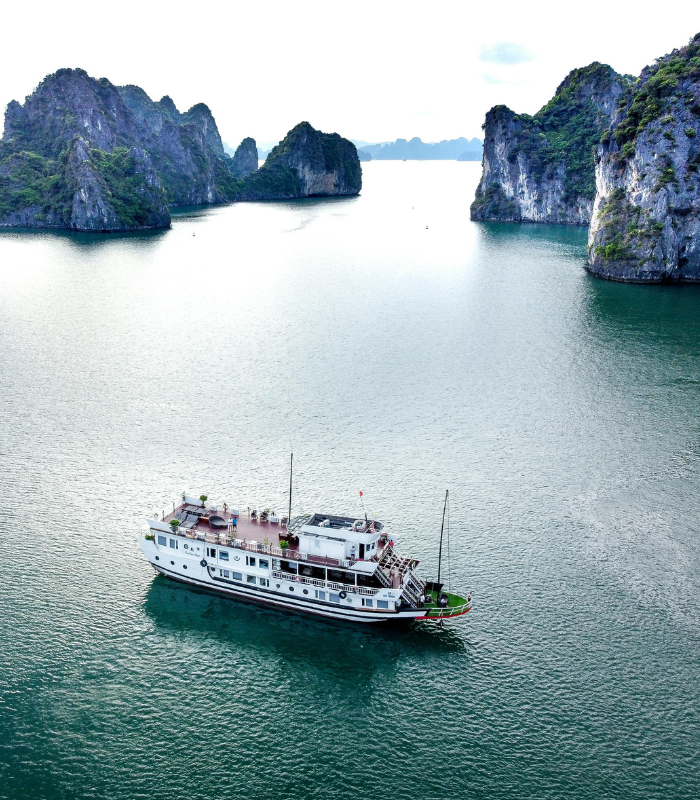
Where heritage meets horizon - Halong Bay. (Photo: Quang Nguyen Vinh)
Halong Bay is not just a famous scenic spot but also a worthwhile travel experience. Whether you go for a day or stay for several nights, this bay always offers relaxation and unexpected moments. To make your trip more complete and safe, you should book tours through reputable providers to ensure a smooth itinerary and receive benefits and support when needed. Explore our recommended cruises and find your perfect Halong adventure.