Comprehensive Guide for Visitors from Cambodia to Halong Bay – Plus Cruise Tips
If you want a change of scenery from what you’re used to in Cambodia, northern Vietnam offers something quite different. Halong Bay stands out the most — a quiet stretch of water with limestone cliffs rising everywhere, creating a view you don’t often see in this part of the region.
The bay has a calm feel from the moment you look at it. There’s no rush, no noise, just a slow and steady rhythm that makes you relax without trying. Even a short overnight cruise is enough to reset your pace and let you take things easier for a bit.
The trip from Phnom Penh or Siem Reap to Hanoi isn’t too far, but what you see in Halong feels new: simple, peaceful, and slightly surreal when you’re surrounded by water and stone. If you want somewhere close, easy to reach, and different from your usual trips, Halong Bay is a good place to start.
1. Getting from Cambodia to Halong Bay
The easiest way to reach Halong Bay from Cambodia is to fly to Hanoi first. Flights from Phnom Penh and Siem Reap to Noi Bai Airport run regularly, and most of them take around 2–3 hours. Some routes are direct, while others have a short layover, but the trip is generally simple and easy to plan.
Once you arrive in Hanoi, the drive to Halong Bay is straightforward. A private car or limousine takes about 2.5 hours on the expressway. Shuttle buses from the city usually take around 3 hours and cost less, so it depends on whether you prefer comfort or a lower price. If your flight lands late in the evening, staying one night in Hanoi before heading to Halong the next morning is usually more comfortable. If you land during the day, going straight to the bay is no problem.
Another option, if you want something different, is the seaplane from Hanoi to Halong. It takes about 45 minutes and gives you a view of the bay from above when the weather is clear. The schedule changes depending on the season, so it’s worth checking ahead of time.
2. Visa & Entry Requirements
If you hold a Cambodian passport, you can enter Vietnam without a visa for up to 30 days. When you arrive, you simply show your passport at immigration — the process is usually quick and straightforward.
Before your trip, make sure your passport has at least 6 months of validity from your arrival date. This is a requirement for all foreign visitors entering Vietnam.
If you plan to stay longer than 30 days, or if you want to leave Vietnam and come back during the same trip, you can apply for a Vietnam eVisa online. The process is simple, and the eVisa is valid for up to 90 days depending on the option you choose.
It’s always a good idea to check for any recent updates before you fly, as immigration rules may change from time to time.
3. Best Time to Visit Halong Bay
From October to April, northern Vietnam is cooler and less humid, which makes this a very comfortable time to visit Halong Bay. The air is clearer, the sea is calmer, and activities like kayaking, cave visits, or relaxing on the deck all feel easier. It’s also the busiest season, especially around year-end holidays and Lunar New Year, so booking early is a good idea.
From May to September, the weather gets warmer and more humid, and short rainstorms can happen, especially in July and August. However, this period is usually quieter, and cruise prices are often lower. If you don’t mind the heat and prefer fewer crowds, this season still works well — just check the weather forecast before your trip.
Both seasons have their advantages. If you prefer cooler weather and comfortable outdoor activities, choose October to April. If you want a quieter experience and better prices, May to September is a reasonable option.
4. Choosing the Right Cruise
If you only have a short break, the 2D1N cruise is the easiest option. You get the main activities — kayaking, visiting a cave, and enjoying the view from the deck — without needing too much time. It’s simple, straightforward, and fits well if you want to see Halong Bay but don’t have many days to travel.
If you prefer a slower pace, the 3D2N cruise gives you more time on the water. You can visit quieter areas like Bai Tu Long or Lan Ha Bay, spend longer kayaking, or join extra activities such as cycling or visiting a floating village. This option works well if you want more time to relax and enjoy the scenery.
Some cruises offer more comfortable cabins with bigger rooms, private balconies, and extra facilities. These are good if you want privacy and a quiet atmosphere.
If you’re looking for something budget-friendly, mid-range and standard cruises still give you everything you need: clean cabins, decent meals, and a clear schedule. They’re practical and reliable, and many travellers find them more than enough for a short trip.
5. What to Expect Onboard
When you board a Halong Bay cruise, the check-in process is straightforward. Staff show you to your cabin, and you usually get a short safety briefing. Cabins are simple but comfortable, with air-conditioning, a private bathroom, and either a window or balcony depending on the boat.
Meals are served at fixed times. Most cruises offer seafood along with a few common Asian dishes, so the menu is easy to eat for most people. If you have dietary needs, you can tell the staff ahead of time and they’ll adjust what they can.
Daily activities follow a clear schedule. Kayaking, cave visits, and short walks are the usual options. These activities are not physically demanding, but you can skip them if you prefer to rest. Swimming is only available when the weather is safe. Some cruises offer a simple cooking demonstration or morning tai chi, but participation is optional.
Evenings are quiet. You can sit on the sundeck, stay in your cabin, or try squid fishing if the boat offers it. Wi-Fi is available on many cruises, but the connection is basic and often slows down when many guests use it at the same time.
Overall, the experience is organised and predictable. You don’t need to plan much — just follow the schedule and enjoy the time on the water.
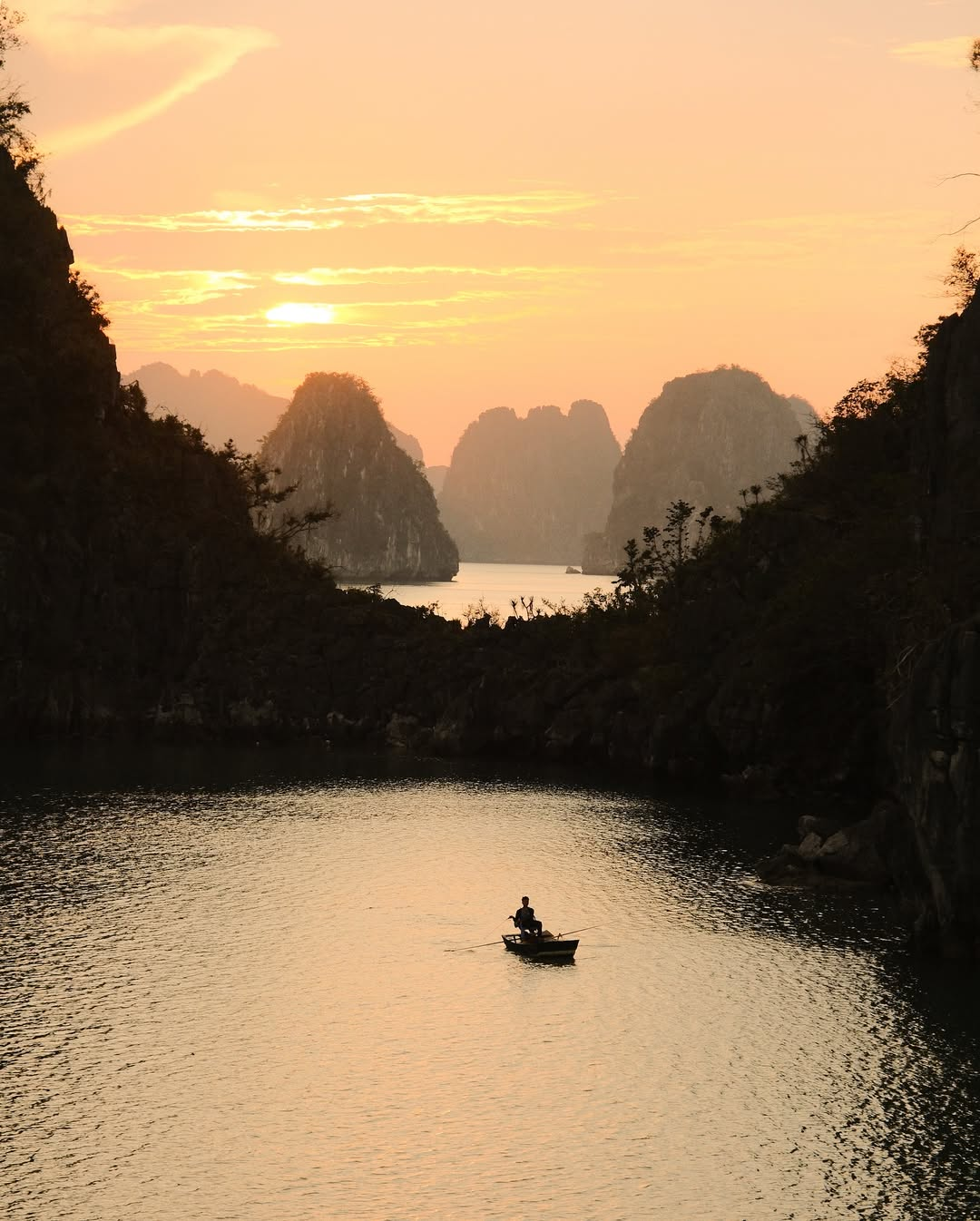
Rowing through the last light of the day.
Source: Instagram – Photo by @thechaosdiaries
6. Practical Tips
- When you join a Halong Bay cruise, having a few small things ready can make the trip smoother. The first is cash. You don’t need much, but having some Vietnamese dong helps with small purchases like drinks or coffee, and for tipping at the end. Cards are accepted on many boats, but the connection on the water can be unstable at times.
- For electricity, things are simple enough. Most cruises use the common plug types found in Vietnam, but each boat is different, so carrying a small adapter is the easiest way to avoid any trouble if the socket doesn’t match your charger.
- If you tend to get motion sickness, bring some basic medication. The bay is usually calm, but there can be slight movement when the boat changes locations. Everything else is safe and well-organised, and life jackets are always provided for water activities.
- Northern Vietnam’s weather can change quickly, especially in summer. Sudden rain or storms may affect the schedule, so having travel insurance gives you peace of mind if plans shift unexpectedly.
- At the end of your cruise, many guests leave a small tip for the crew. It’s not required, but it’s common. There’s no fixed amount — just tip based on how you felt about the service.
7. Useful Notes
There are a few small things that can make your cruise more comfortable. Slippers or sandals are handy because the wooden deck can get a bit slippery when it’s damp. If you’re traveling with children, bring a light jacket for them — evenings on the bay are cooler and windier than most people expect.
When you go kayaking, a small waterproof pouch for your phone is worth having. It’s common for people to drop their phones when paddling or when stepping in and out of the kayak, especially near darker caves. Aside from that, you don’t need to pack too much. Most cruises already provide towels, life jackets, and drinking water, so keeping your luggage simple makes the trip easier.
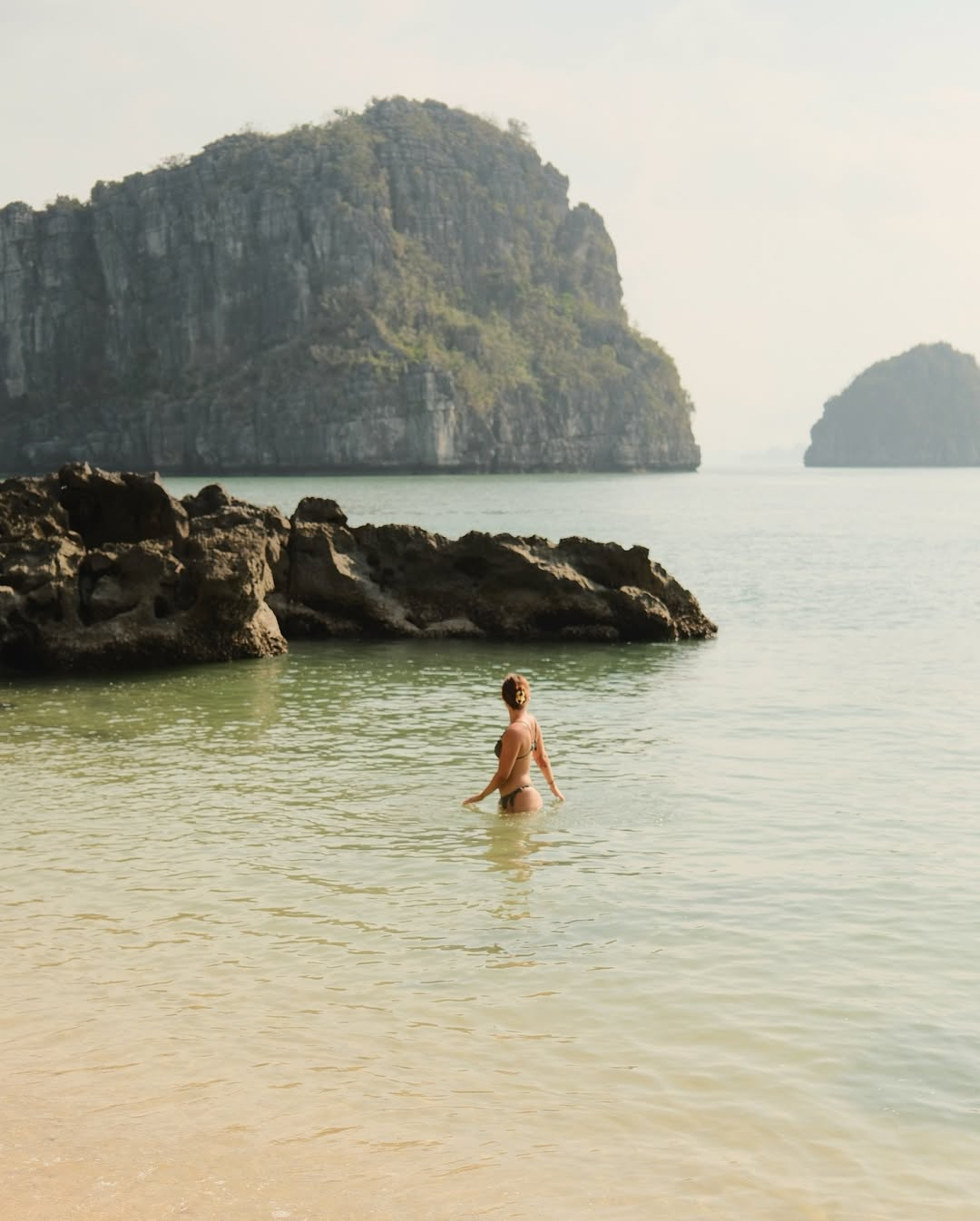
A quiet dip in the bay
Source: Instagram – Photo by @thechaosdiaries
8. International Cruises from Cambodia to Halong Bay
While Cambodia does not have cruises that sail directly to Halong Bay, the country does appear as one of the stops on several long-haul East Asia itineraries operated by international cruise lines. These routes often travel through multiple countries — Japan, Taiwan, Hong Kong, Vietnam, Cambodia, Thailand and beyond — as part of extended seasonal journeys rather than fixed weekly schedules.
Cruise ships such as Viking Orion, ms Westerdam, Celebrity Solstice, and Oceania Riviera frequently include both Sihanoukville (Cambodia) and Halong Bay on the same itinerary. In these cases, Cambodia is simply one port along the route, while passengers usually board the cruise in larger hubs such as Hong Kong, Singapore, or ports in Japan.
From Hong Kong, the sailing time to Halong typically takes one to two days at sea, depending on the direction of travel. When the ship calls at Halong Bay, the visit is usually a day stop of around 6–10 hours, though some longer itineraries — such as Viking Orion’s trans-Pacific voyages — may include an overnight stay before continuing south toward central Vietnam or Southeast Asia.
9. Is a Halong Cruise Worth It?
If you’re already coming to northern Vietnam, spending one night on Halong Bay is something that’s genuinely worth adding to your trip. The bay has a kind of quiet beauty that you don’t often see in places close to Cambodia — calm water, tall limestone cliffs, and a peaceful atmosphere that makes you pause for a moment. It’s not a complicated experience: the boat moves slowly, meals follow a set schedule, and the activities are easy to join. Everything feels straightforward, which is a nice break from the busier parts of travel.
What makes the cruise meaningful is how clear the difference feels once you’re out on the water. Even a short overnight trip gives you a sense of stepping away from your usual routine. You wake up, look outside, and the whole bay is quiet and still. It’s a simple scene, but it stays with you longer than you expect.
If you want a short, easy change of atmosphere without going far, then yes a Halong cruise is worth it.
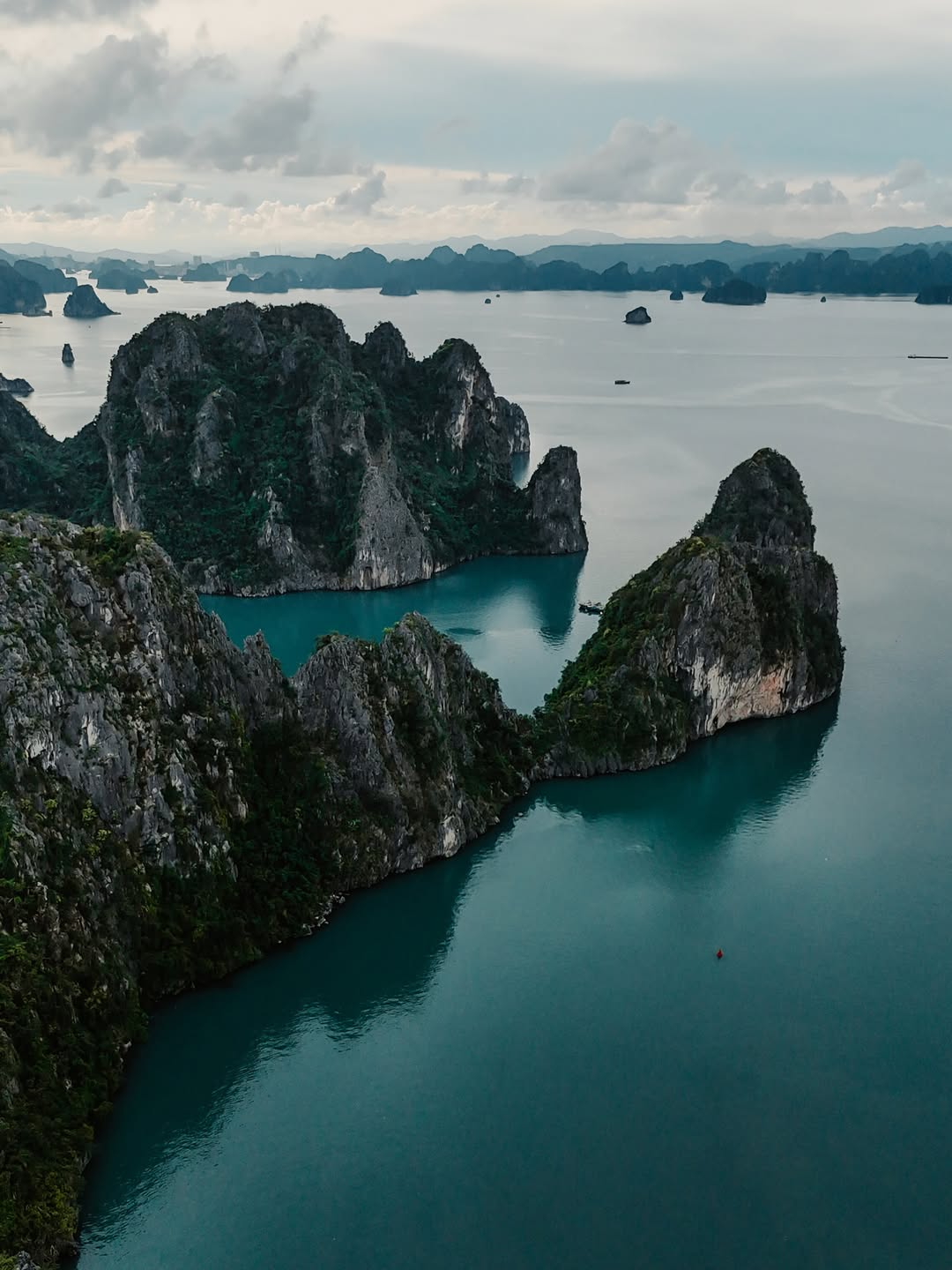
A quiet stretch of the bay
Source: Instagram – Photo by @whoisviki_b
If your trip brings you to northern Vietnam, stopping by Halong Bay is something you won’t regret not because it’s famous, but because it gives you a clear, quiet moment that stays with you.