Cash, Cards & Currency in Vietnam: Everything You Need to Know
Visiting Vietnam is nothing short of a colorful adventure – bustling markets, lively streets, and breathtaking landscapes. Before setting off, however, it’s essential to understand how money works here. While digital payments and cards are becoming more common, cash is still king, especially when exploring Halong Bay or smaller local destinations.
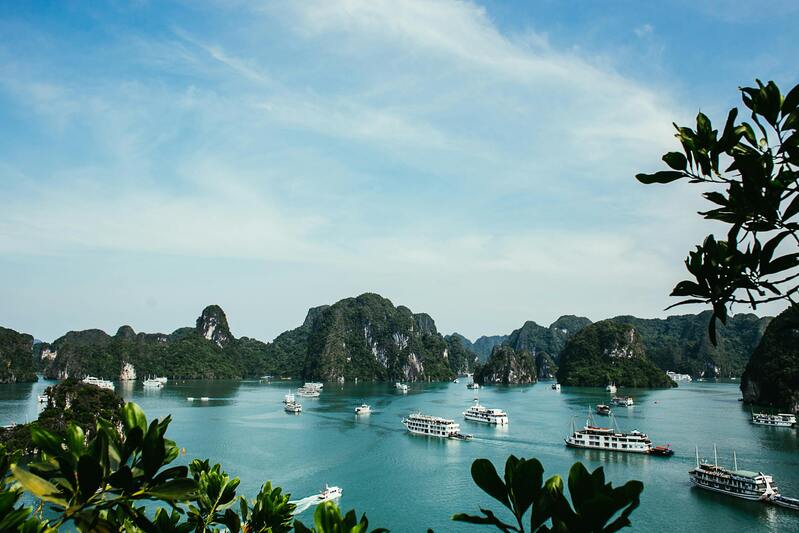
Luxury cruise ship sailing on Halong Bay, Vietnam
(Image source: Pexels website)
1. Understanding Vietnam’s Currency
The official currency is the Vietnamese Dong (VND). Banknotes range from 1,000 to 500,000 VND. Lower denominations such as 1,000, 2,000, and 5,000 are printed on paper, while 10,000 and above use durable polymer.
One common mistake for travelers is confusing the light blue 20,000 VND note with the blue 500,000 VND note – a slip that could cost you dozens of dollars. To avoid this, always organize your bills by denomination.
Some hotels or tourist shops may accept USD, but for authentic experiences like slurping a bowl of pho, sipping egg coffee by the train tracks, or trying Trang Tien ice cream, Vietnamese Dong is a must.
2. How Much Cash Should You Carry?
Daily expenses in Vietnam are generally affordable. Street food favorites like tropical fruit, fried pastries, or local sweet soups cost around 30,000–70,000 VND (1–3 USD). Restaurant meals range from 120,000–250,000 VND (5–10 USD).
Travel from Hanoi to Halong by limousine bus is easy, priced 120,000–350,000 VND (5–15 USD). On a cruise, remember drinks and souvenirs are usually more expensive.
For comfort, plan to carry about 1–2 million VND per day (40–80 USD) to cover meals, transport, and extras without hunting for ATMs.
3. ATM Access in Hanoi, Halong, and Cat Ba
In Hanoi and Halong, ATMs are plentiful, especially around Bai Chay and Tuan Chau Port. On Cat Ba Island, machines are fewer and sometimes run out of cash.
Local banks typically charge 20,000–30,000 VND per withdrawal, while international banks may add a few dollars. Vietcombank, BIDV, Techcombank, and Agribank are the most reliable for foreign cards.
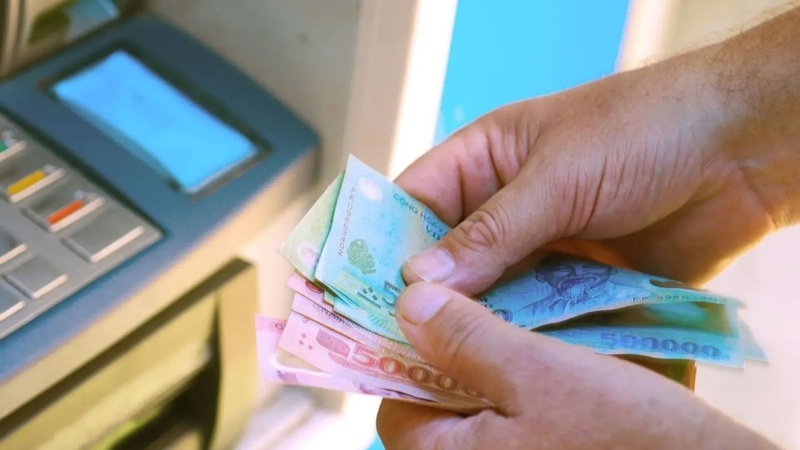
Withdrawing cash from an ATM in Vietnam – convenient banking service for quick access to VND currency
(Image source: Pexels website)
4. Credit and Debit Cards
Credit cards are widely used in big cities, though many shops charge a 3% card fee, so always confirm first. Visa and Mastercard are accepted almost everywhere, while American Express is less reliable. Carrying a Visa or Mastercard ensures smoother payments.
5. Exchanging Currency
You can exchange money at banks, airports, or gold shops. Halong offers this service too, but rates are usually less favorable. The Hanoi Old Quarter is known for giving the best exchange rates, so it’s wise to prepare cash there before traveling.
6. Digital Wallets and Mobile Payments
Locals often use Momo, ZaloPay, or ViettelPay, but these require domestic bank accounts. For international travelers, Grab is the most convenient app – linking easily with foreign cards for rides and food delivery. Apple Pay and Google Pay are available in some places but not yet widely adopted.
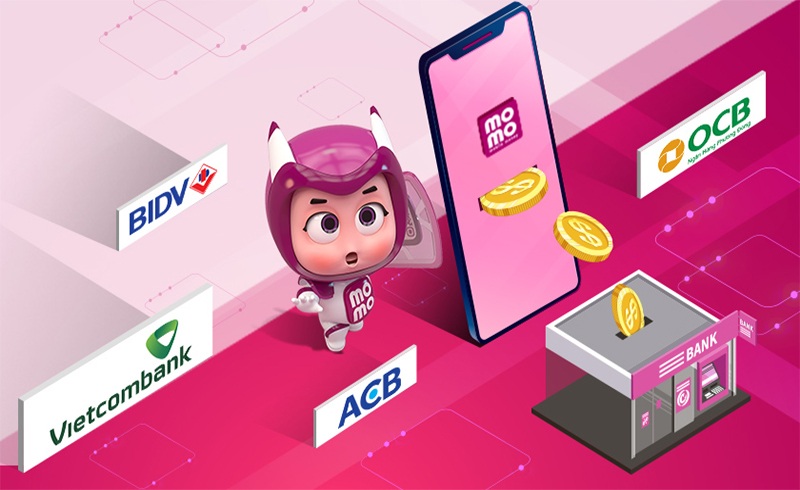
MoMo e-wallet – easy top-up and payment in Vietnam
(Image source: Vietnet24h.vn)
7. Safety Tips for Handling Cash
Always double-check your change. Keep large notes stored separately, with smaller bills handy for quick payments. Reserve emergency cash in your hotel’s safe. During weekends or holidays, withdraw in advance since Halong ATMs may run dry.
8. FAQs
- Can I pay for Halong cruises in USD? A few luxury cruises allow it, but prices are listed in VND.
- Do I need to tip? Not mandatory, but 50,000–100,000 VND/day is appreciated.
- ATM withdrawal limit? Typically 2–5 million VND per transaction.
- Best place to exchange? Hanoi, especially the Old Quarter.
When traveling in Vietnam, cash remains essential, particularly for small daily purchases. Cards are useful for hotels or larger expenses. A steaming bowl of pho, an iced coffee, or a handmade souvenir is far easier with a pocketful of small bills. Withdraw cash in Hanoi, carry varied denominations, and save your card for bigger spends – a simple formula for a smooth, enjoyable trip.